Wednesday, July 20, 2011

Crazy King: What I'll Always Remember About Chadd Thomas


May 2001

I spent my first night as a college graduate at a seedy, rank shithole of a rock n' roll dive on Dirty 6th.

I was at the Black Cat Lounge at the request of one of my best friends, Chris Harrison. Chris knew that I wanted to party that weekend, and he said he had just the tonic for my gin n' sin. He was playing in a new rockabilly band fronted by a gentleman named Chadd Thomas. Chris said they were hitting the stage just around the same time I was walking off the stage, diploma in hand, from the University of Texas.

Chris even promised me that if I showed up, he would play a very special solo just for me. They were rehearsing a closing song where Chris' guitar solo borrowed liberally from the intro lick to "Thunderstruck" by AC/DC. Knowing how much I love AC/DC, and how much I enjoy seeing Chris play, I agreed to see him out there as soon as I could.

So on a steamy, late spring Saturday night full of publicly drunk college graduates cramming 6th Street in jubilation, I dragged the two people who were with me that night, Uncle Tim and Aunt Kathy, out to see Chris and his new band play at the Black Cat.

We probably got there around 10:30 PM. The Black Cat was nothing more than a stage in front, two rickety black-tarred bleachers on the left and right covered in graffiti, a makeshift bar of graying wood near the entrance door and an overhang upstairs about the same color as the bar.

No chairs were up there. The overhang was standing room only.

The walls were concrete and tattooed in every possible color, in every possible way. The walls were spray painted, smeared with permanent marker, etched in with a pocket knife, all of them marking bands barely remembered. The floors were also concrete, but faintly streaked with blood from mosh pits.

Uncle Tim went to the can, and remarked that he had "to give this place an A for its shit-house smut." I never went inside.

The rest of the Black Cat crowd took on the resemblance of the place itself: hard-edged and tough. Beyond the obligatory tattoos, the Black Cat crowd was like a UN convention of body piercings. Multi-colored hair was waived proudly like a national flag. Younger green haired Mohawk dude with piercings decorating his face like zits stood next to an aging rocker guy who had long dyed black hair and was openly bragging about piercing his hemorrhoids.

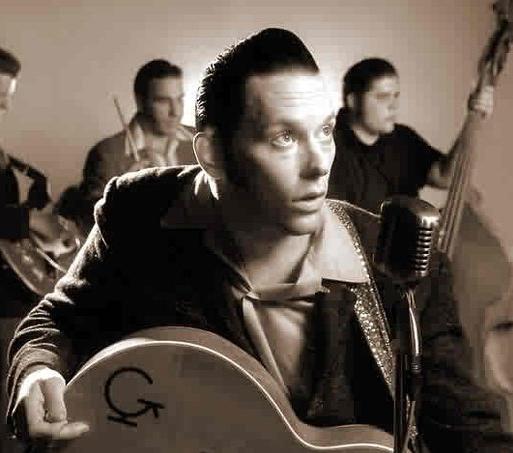
The only one who appeared to be smiling was the pompadoured 20-something-year-old lead singer of the Crazy Kings. While Chris and the rest of band appeared mildly stoic still learning the new material, this guy was over here shaking his hips like Elvis and tapping his black and white wingtips to the groove of revved-up Johnny Cash and Hank Williams numbers.

The Crazy Kings finished out their 45-minute set with what started as an almost spoken word number from the lead singer about driving up a lone blacktop from Corpus Christi to Austin. And the only thing behind him, according to the song, was a Cadillac gaining closer.

"FUCK THAT CADILLAC!" was the refrain. I wasn't too sure why the Cadillac had gotten the Crazy Kings all riled up, but it sure sounded good. Even better was when Chris launched into his AC/DC solo that got a noticeable pop from the tattooed and pierced, but was intended just for me. I dug that.

Uncle Tim, Aunt Kathy and I shook everyone's hands after the set and congratulated Chris on the new gig. Sensing that the Crazy Kings were trying to pack up, we hightailed it out of the Black Cat and headed east for beers at the Copper Tank.

However, the lead singer Chadd Thomas, as well as Chris did their finest to send me out into the world properly with a fine night of rock n' roll, beer and a slight degree of danger. At the Copper Tank, the beers weren't Lone Star, the girls were cuter and dancing to "Pour Some Sugar On Me."

I would never walk into the Black Cat again.


February 2005

I ran ragged across the country in pursuit of a career. After college, I moved to Albuquerque, NM where I worked for an 80s radio station. The station flipped formats shortly before Christmas to Top 40, and I had the impossible task of telling our advertisers why they should continue to stay the course with my station while the ratings went into the tank, general managers were being fired at a rate of once every quarter and Britney Spears was playing once an hour.

I quit right before Christmas 2002.

Undaunted, I packed up and moved to Connecticut where I found a series of great part-time work including a weekend production assistant gig at ESPN Radio. However, permanent positions were not to be had. My steadiest gig wasn't ESPN or my teaching/play-by-play gig for the University of New Haven. It was waiting tables and tending bar at the Rainforest Cafe inside a West Hartford mall.

That too was unsustainable. After a long talk with my buddy Jesse Gonzales, he urged me to come back to Austin and start over again. He had a spare bedroom for rent in a house he was living at in the central Austin neighborhood of Hyde Park. I couldn't say no.

I quit all my gigs right before Christmas 2004, and I found myself back in Austin for New Years Eve. I had no direction, no career to speak of, but I was back home again in Austin. In February 2005, I got a call from Chris to see him play with the Crazy Kings, this time at a place on Red River called Headhunters.

Why Headhunters? Well, Black Cat was burned to the ground at some point during my three-year absence from the city. It was never rebuilt. There wasn't that much to rebuild, honestly.

Jesse and I found our old downtown parking spot--the old lot of the Texas Teacher Pension building on 10th and Red River--and walked one block exactly. That one block walk smelled like a sinful amalgam, a wonderful blend of Jack Daniel's and Shiner Bock, Marlboros and perfume, Tex-Mex from Jaime's and mesquite smoke from Stubb's.

Headhunters still attracted a lot of the same Black Cat crowd, but it was a much nicer venue. It used to be an old tiki lounge called Ocean's 11, and Headhunters still featured some of the same drinks from the old joint like the gin-heavy Sufferin' Bastard. It was much tighter quarters in the middle compared to the Black Cat, but the floors and walls were mahogany paneled, void of the old graffiti coverings of the Black Cat.

Jesse and I found the bar, ordered a round of Shiners, and spotted a long-haired brunette wearing a tight black tank-top and a short white skirt also at the bar. We start talking it up with this girl. Turns out she had just moved to Austin from Utah with a friend of hers. A friend of hers who was also there that night.

Chris and Chadd came out to greet us before the show started and shared a Shiner with us. Well, we drank Shiners. Chadd drank a Lone Star. Shiner was too fancy for him, he said.

We shook hands and let them get down to business. They hit the stage around midnight and it was clear that this wasn't the same band that I remembered. Chadd Thomas and the Crazy Kings sounded loose but completely locked down the rockabilly groove. Everyone was smiling on stage and kept the crowd dancing. Dylan, the bassist, started throwing around his upright bass w/ abandon, twirling it around his head like an eight-foot, four-stringed baton. Chris was grinning wildly while playing whirling dervish blues solos on his prized grid orange Gretch guitar.

Somewhere around the song "Nueces County Jail," I spotted the friend of the girl in the blank tank-top. She was tall, about 5'9" with long blonde hair and a glittering nose stud in her right nostril. I walked up and asked her why she had a shiny booger in her nose. I offered her a tissue to get that cleaned up. She smacked me in the shoulder, but smiled and said how rude I was being to a total stranger.

It was on.

Throughout the set, I regaled her with tales from Connecticut and New Mexico, some of them true, but most of them false. The best was when she bragged about how good she was at air hockey. I told her that when I was at ESPN, we had a game room with an air hockey table. One day when I was there, Wayne Gretzky was there and challenged all comers to a game of air hockey. I told this girl that I beat #99 in air hockey by a score of 8-5.

She was completely enthralled by this. I was, of course, lying. I've never met the Great One, let alone kicked his ass at air hockey, but I know one thing for sure. There's no way in hell I was letting this girl beat me at air hockey or storytelling or dancing to rockabilly music.

So with her mouth still agape from the Gretzky tale, I grabbed her hand and lead her on the dance floor. Chadd winked at me while this blonde cutie and I tried our best to reenact the final dance scene of Swingers. I was Mikey, she was Lorraine and Chadd Thomas and the Crazy Kings were our Big Bad Voodoo Daddy.

We twirled all over the makeshift dance floor, laughing like the semi-drunk loons we were while careening into other people on tight quarters of Headhunters. Chadd was putting the final notes on a song called "Hot Rod Man," while the Crazy Kings ended the number with a desperate fury. I flipped her down in the classic way to end a song, her back over-arched in my arms, her soft, glistened hair barely scraping the booze-soaked floor.

I brought her back up and we were both standing upright, smiling. I leaned in to kiss her.

Her friend in the black top and white skirt had about enough of this. Just as I was about to reach her lips, her friend grabbed her free hand and told her she was leaving.

Now.

She hauled her out of Headhunters, and was about damned near on 7th Street--two blocks away--before I could catch them. I asked her for the girl's number, but the girl in the white skirt hustled her down a side street before I could get an answer.

I got back in time for "Fuck That Cadillac." Jesse and I had one last Shiner as the Crazy Kings closed out the bar and the night. Regardless of the outcome with the blonde girl, one thing was clear. This was the first night I had been out in Austin, Texas since I moved back. It consisted of pretty girls, great beer, the greatest friends any man could have and ass-kicking rock n' roll.

I never saw the pretty blonde girl or her friend again. But it was good to be home. And I haven't left home since.


Two of the most memorable nights out. One night marked the end of college for me. The other night marked the beginning of my homecoming here in Austin. Both times I was there to support my friend, Chris Harrison. Both times, though, it was the voice, the direction and the vision of Chadd Thomas that was the soundtrack to those nights.

On July 12, Chadd Thomas was found dead on South Congress, the victim of an apparent homicide.

He was 38 years old.

Chadd was the voice of so many great nights out. Nights that marked passages and rites, departures and arrivals, beer and whiskey, and the promise of dangerous liaisons. Most of which didn't happen, but a few certainly did.

Chris left the Crazy Kings about a year ago to pursue his own surf rock act, the Mighty Landshark. While I will always support Chris and his musical ventures, I will, as well as the Austin community, miss the voice and the talents of the Craziest King himself, Chadd Thomas.

Austin Police continue to search for clues and suspects. What I've been searching for the last few weeks is peace and understanding as to why or how this could happen. I still haven't found that yet, and I don't suspect most will for awhile either.

But for now, I think of the crazy nights with the Crazy Kings. I give thanks for sending me off in grand fashion, and welcoming me back with open arms and a beer in hand.

Until we meet again, Chadd. Fuck That Cadillac.

Wednesday, June 29, 2011

Sports Karma's 11 New Rules For Going Out And Having a Drink (or Three)


On Going Out
And Setting The Mood

1. If you find yourself at a bar that's playing The Humpty Dance, just leave. That song was cool when you were ten. It stopped being cool when you turned eleven. And it hasn't gotten any cooler since that point.

Besides you couldn't drink when you were eleven anyway, and if you were drinking, you were probably stealing sips of your Mom's wine coolers. That's what The Humpty Dance is: It's the Bartles and Jaymes of hip-hop. It was cool if you didn't know any better.

But you know better now. So give up the Humpty Dance and move on to the next bar.

2. Jukeboxes with a predefined number of albums are always better internet jukeboxes where some yokel can just throw on whatever he wants. Jukeboxes with a defined selection allow the establishment to define who they are and what they want to be. If you see a jukebox with a fair amount of Tom Waits and The Clash, you know the bar fancies itself as a gritty soul with a depth of intelligence. Lots of AC/DC and Motorhead conveys that the establishment is simple, tough and lacks bullshit. More Eminem and Katy Perry means its trying to be fun and encourages hooking up.

But internet jukeboxes allow the patron to define the atmosphere for everyone else. And if one person gets to decide what the bar is, then what is the bar itself?

Internet jukeboxes may let the people decide what they want to hear, but far more often than not, the bar is subject to the whims of the proletariat. You know...morons. Morons who may decide to put on Megadeth when clearly there is a bachelorette party in the midst or a perfect ratio of men to women in the bar.

3. Regardless of predefined or internet jukebox lists, certain artists will ALWAYS get played in a bar, partially because of their immense popularity, but perhaps because their music seems to sound considerably better in a bar. Remember that lots of times its all about context. Artists like Tom Petty, Bob Seger and Judas Priest seem to always sound better while driving. Soul artists like Marvin Gaye always sound better with the lights low in the thrust of a sexual interlude. Such as it is when drinking. Some artists simply sound better in their artistic context after about two drinks.

However, bartenders and patrons alike are tired of hearing the same crap from the same unimaginative people. These five artists have so many hidden gems that never get played, but can liven the whole joint up just by being a little different and creative.

A. Johnny Cash

Don't Play:

Folsom Prison Blues; Walk The Line; Ring of Fire

Johnny Cash is one of America's greatest singer-songwriters, a man whose voice defied genre and his songs captured the roots of country, the guts of punk and the balls of rock. He threw them all against a Delta blues-framed Memphis canvas and painted a grim but defiant American history. So if Johnny Cash was one of this country's greatest narrators, why are we contented to hear the same stories?

Play Instead:

A Boy Named Sue (lyrics written by Shel Silverstein); Cash's spooky cover of Neil Diamond's Solitary Man or the macabre Cocaine Blues


B. Michael Jackson


Don't Play:

The Big Three from Thriller (Billie Jean, Beat It and the title cut just in case you've been living under a rock for the last 30 years or so)

We know, we get it. Thriller is an amazing, amazing record. No one is denying this fact. It's sold 110 million copies worldwide. It features the greatest bass line in pop/rock music history. It made the music video a viable art form. It features an absolutely blistering Eddie Van Halen guitar solo on Beat It, and made hard rock and virtuoso guitarists mainstream in the process.

You know how we know all that?

Because those three songs have been on an endless loop in every bar in America since about 1983. Seriously, people do realize that Michael Jackson had other songs and other albums besides Thriller, right?

Play instead:

Bad (a sneaky fun song to sing along to), Dirty Diana (another one of Jackson's hard rock songs, this time featuring Steve Stevens of Billy Idol fame) or the wildly underrated Don't Stop 'Til You Get Enough


C. AC/DC


Don't Play:

You Shook Me All Night Long, Back In Black or Highway To Hell

Critics of AC/DC will tell you that everyone of their songs sound alike. This is not an unfair critique and one that even the band's lead guitarist and founder Angus Young has acknowledged in an oh-so tongue-in-cheek kinda way.

"I'm sick to death of people saying we've made 11 albums that sounds exactly the same," Young once said. "In fact, we've made 12 albums that sound exactly the same."

So if Angus Young has acknowledged that all of their songs sound the same, why not pick something different from AC/DC? Who knows, maybe no one will notice the difference?

Play Instead:

Shot Down In Flames (a perfect ode to men getting stood up in bars by the ladies); The Jack (a sleazy blues number about STDs) or the ridiculously silly Hard As A Rock


D. Guns N' Roses


Don't Play:

The Big Three off of Appetite For Destruction (And for you cave dwellers that missed out on Thriller, that would be Welcome To The Jungle, Sweet Child O' Mine and Paradise City).

To be fair, Appetite is my all-time favorite album. That said, these songs have practically lived in a bar since they were all conceived in the mid-eighties. It's time to give these ubiquitous three a rest, and consider that GN'R actually has three songs in their catalog that are worthy of a great bar debate.

Play Instead:

You Could Be Mine (Featured in Terminator 2. Was T2 the greatest action movie of all-time? If not, what else is in the discussion?); Knockin' On Heaven's Door (Given that Guns covered everyone from the Rolling Stones to Bob Dylan to the Skyliners weren't they really just the greatest cover band of all-time?); Rocket Queen (A Day In the Life by the Beatles is the greatest song to close an album. This is not debatable. But is Rocket Queen the second greatest song to close out an album? Discuss.)


E. Journey


Don't Play:

Don't Stop Believin', Open Arms or Separate Ways

Journey is experiencing a renaissance of late thanks in part to pop culture references in The Sopranos and Family Guy, but really more because a whole lot of people have come to realize what everyone in the late 70s and early 80s already knew. Steve Perry had a soaring and delicate voice that hit octaves not yet explored, and Neal Schon was a hard-rocking shredhead that could swing with every great guitarist of his era, including Eddie Van Halen and Jimmy Page.

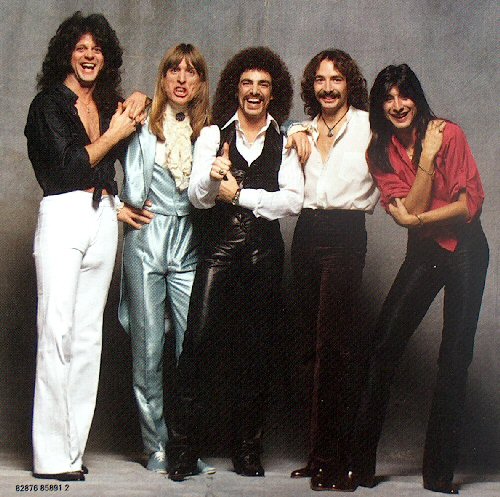
That said, these three songs are the ones that get all the jukebox play. Don't Stop Believin' because of its pop culture meme status, Open Arms because it just renders the heart strings, and Separate Ways mainly because no one can help but sing along and think of what might be the worst video in history (they were not the most handsome men ever, as evidenced by the picture above). Therefore it's time to explore some of Journey's other material just to liven things up a bit in the bar.

Play Instead:

Wheel In The Sky (a gritty road trip anthem); Stone In Love and the catchy but completely bombastic Anyway You Want It (again, Journey had a knack for incredibly horrible videos).


4. Speaking of Guns N' Roses and Journey, we need to address karaoke for a moment. Almost every night in America, some jackass gets on stage about three sheets to the wind and goes all William Hung on either Sweet Child O' Mine or Don't Stop Believin'. Sometimes both in the same night.

Unacceptable. Unless you're name is Axl Rose or Steve Perry, you probably aren't going to hit the high notes of the aforementioned and respective songs. No one wants to hear you wail desperately off-key while doing the Axl Shuffle or imitating Steve Perry's bare-chested theatrics. Just stop. It's terrible and no one thinks you're cool while you're openly butchering American classics.

Not to go totally President Obama on you, but let me be clear. Unless you actually can sing, under no circumstances should you EVER get on a karaoke stage, especially after you've had more than two drinks. Back even three years ago, getting loaded and ruining people's favorite songs was nothing more than a laughable night out, and one that everyone would give you crap about for many years to come. Nowadays because of smart phones that allow people to film your idiocy and post it directly to YouTube, the whole world can see you in your full, drunken jackass glory.

Yes, the whole world can potentially see you make a viral fool of yourself. Including your boss and HR director. Is it really worth it to potentially jeopardize your job and your reputation all so you can have drunken karaoke glory? All so you can probably sound like this?


Just step away from the stage, put the mic down and leave the singing to the professionals. It's for the best.

On Drinking Itself

5. This one is for the guys exclusively.

Gentlemen, by now I'm sure you've seen Sex And The City, voluntarily or otherwise. Because of, or in spite of Horse Face and her three friends, all red drinks are now a feminine domain. No matter how much you love Cape Cods, you must put it away now. That goes for any drink that might involve grenadine too. It looks decidedly unmanly. And if you order a grenadine or cranberry-based martini drink, prepare to not get laid for awhile.

The only possible exception to this rule? Ordering a Hurricane at Pat O'Brien's in New Orleans. And no, the Pat O'Brien's in San Antonio and Orlando don't count.

That said, however, there's no good reason for you not to know how to make a few red cocktails for your special lady.

The following three martini drinks are specialty cocktails that ever man should know how to make. Bartending school isn't required. Only a little bit of charm, a fair amount of booze and an amply supply of mixers. All the listed drinks below should shaken, strained and served straight in a martini glass.

A. Cosmopolitan

1 oz vodka
1/2 oz Grand Marnier
1/2 oz lime
1/2 oz cranberry

Garnished with a lemon peel

B. French Martini

1.5 oz flavored vodka
1 oz Chambord (raspberry liquor)
1.5 oz pineapple juice

Garnished with a cocktail sword of either blackberries or raspberries

C. Gin N' Sin

1.5 oz gin
1 oz orange juice
1 oz freshly squeezed lemon juice
1/2 oz grenadine

Garnished with a lemon peel

6. Unless a lady offers to buy, quit doing shots. You aren't in college anymore. If that lady does offer to buy you a shot, the only acceptable answers are mid-grade American whiskeys (Jack Daniel's, Jim Beam, Wild Turkey, etc.) and Jagermeister.

And whatever you do, for the love of God, do not order a shot of Patron. First of all, it's not that good of a tequila. Secondly, only angry douche bags wearing Ed Hardy gear with a penchant for violence order Patron.

7. When walking into a brewpub or an establishment with 40+ beers on tap, don't order Bud Light or some other cheap American swill. Ordering Bud Light at a great beer joint is like walking into Ben and Jerry's Home of Orgasmic Ice Cream Utopia and ordering a scoop of vanilla. You look like an uncultured rube.

Expand your horizons. Even if you're not a sophisticated beer drinker, any beer joint worth its salt will probably have one of the following three instant conversation starters in bottle or tap.

A. Flying Dog


Flying Dog recently relocated to Frederick, MD by way of the snowy climes of Aspen, CO. Their pale ales have won multiple awards at the Great American Beer Festival, but that's not really what they are most famous for. Their beer labels are designed by Hunter S. Thompson's long-time illustrator, Ralph Steadman. The significance of this is that in 1970 Thompson ran for the office of sheriff of Aspen on the Freak Power ticket. Although he didn't win, he did garner 44 percent of the county vote, and his election bid was well chronicled in Thompson's Rolling Stone column, The Battle of Aspen. Steadman's continued work with Flying Dog is a tribute to the brewery's roots and to Aspen's most famous, and perhaps strangest, resident.

Literary buffs and beer enthusiasts alike will celebrate this well-hopped Gonzo selection on your part.

B. Chimay


Inside the Scourmont Abbey in the small Belgian town of Chimay, you'll find Trappist monks living life by a basic code of prayer, reading and manual labor. Nothing shocking about that. Well, nothing shocking until you find out that their "manual labor" generates over $50 million in sales per year.

The Trappist monks have been brewing their own beer inside Scourmont Abbey since 1862. All proceeds go to various charities and to support the Trappist monks local community.

So if someone walks up to when you're enjoying a Chimay, let them know that you're drinking for a good cause. And here's the best part: You won't be lying.

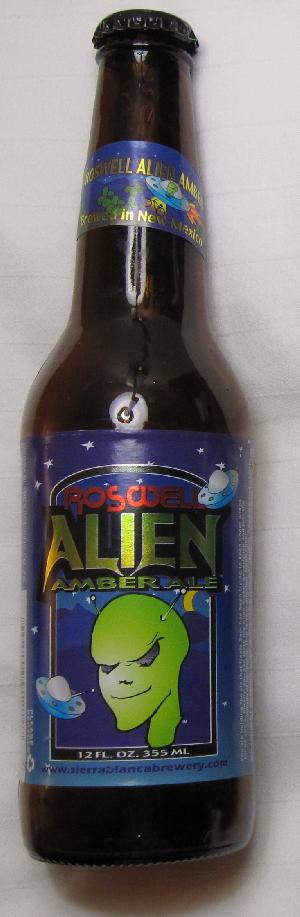
C. Roswell Alien Amber


This is the flagship beer of the Sierra Blanca Brewing Company based out of Moriarty, NM, about 30 miles east of Albuquerque. It's a straight-forward amber ale, and for those who don't enjoy heavily-hopped beers, this is a true winner here.

That said, you're probably not drinking it because you're a huge fan of amber ales. Nope, you're drinking it because there's a bright green alien on the bottle. No doubt some will be put off by the cartoon character label, but for those that aren't, it's a mysterious and tasty beer that one way or the other will invoke conversation and controversy.

Just like Roswell itself.

8. Dos Equis is a solid German-style lager. Absolutely nothing wrong with it at all. But just because The Most Interesting Man In The World enjoys it, that doesn't necessarily mean that it's the most intriguing Mexican beer around.

For a little bit of variety, try Pacifico or Negro Modelo. If you are a man, do not order Corona lest your man card will be revoked. That's almost as bad as ordering a Cosmopolitan in public.

9. Americans have a tendency to believe that foreign beers are superior to American beers simply because they are foreign. This is a critical mistake, and Americans routinely overpay for mediocre to downright horrible beers under the pretense that they're really good. In fact, there are three well-known foreign beers that Americans order all the time, and they just aren't worth the money.

A. Red Stripe


The commercials were pretty funny, I'll grant you that.


In 2001, Jamaican-brewed Red Stripe launched their "Hooray Beer!" campaign. I was in college at the time, and soon everyone was saying "Hooray Beer!" at every party. Eventually, people started to bring in Red Stripe and while it wasn't bad, it tasted like virtually every other mass-produced American beer. In other words, it wasn't worth the $7 we paid. Everyone went back to buying Bud and Miller products for about $2-3 less.

And we still had beer. Hooray beer!

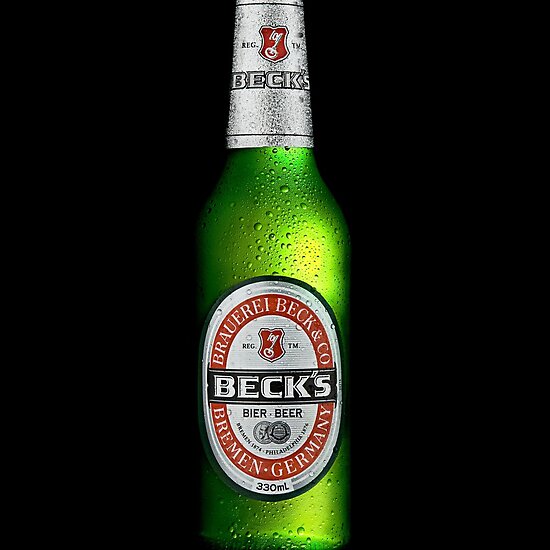
B. Beck's


Beck's seems like a good idea about once every other year. It seems like it should be good. It's German, after all, but it's definitely not mainstream. It's the beer less traveled, if you will. And then you order it and you come to realize why you only order it or buy it once every other year. Beck's is nothing more than the German Rolling Rock. You can't say that it's bad, but it ain't great either. In fact, it doesn't taste like much of anything at all. Just like Rolling Rock.

So if you don't want your beer to taste like much of anything, why pay the extra $3 more per six-pack to get Beck's when you can simply purchase Latrobe, PA's finest product?

C. Heineken


If you're somebody who truly enjoys Heineken, I have a way of saving you some money on your beer drinking budget.

First, gather up your armpit sweat. Add yeast and hops to it. Bottle it. Drink it.

Enjoy.

10. Unless you are truly knowledgeable on wine and you grew up with it, never spend more than $40 on a bottle of wine. It's unlikely that you will know the difference between a $49.99 bottle and a $29.99 bottle. Besides, countries like Spain and Chile are producing high-quality wines at about half the cost of Napa. Los Vascos chardonnay from Chile can swing with just about any Napa-based chardonnay, and it's only about $10. It's a great deal for those who want to know more about wine, but are limited due to budget constraints.

11. Once a man reaches 30 years old, a regular drink lineup should be well established. A man's drinking staple should now consist of the following exclusively:

A. Beer
B. Wine
C. Whiskeys on the rocks or neat. This includes all American whiskeys, scotch and Irish whiskeys such as Jameson's and Tullamore Dew. There should be no need for soft drinks any longer.
D. Vodka with tonic or club soda
E. Gin N' Tonic

Outliers like rum, Southern Comfort and margaritas should make infrequent appearances.

And on that note, drink up a round to the best, may we never get less. And here's to a round for the worst.

May they die of thirst.

Sunday, June 5, 2011

Oma-huh? How college basketball and The Pope can help make the College World Series better


We all have that friend.

We all have that friend from high school who seemed way more talented than he ever let on. We all know that he could have gone on to do bigger and better things. After high school, everyone went on to college or simply moved out to experience new life in a new place.

But not that friend. That friend stayed at home, took a job in his hometown, and never left. He married his high school sweetheart, had a couple of kids and seems pretty happy with his lot in life. He never once questioned why he needed to leave, never bothered to really grow beyond the town he lived in.

Everyone knew that friend could have done more and had greater success in life. Everyone except that friend.

College baseball, sadly, is that friend and Omaha, Nebraska is its hometown.


Omaha is actually a really nice city, and I don't just say that because the picture is pretty. It's a charming Midwestern city with a killer downtown lined with cobblestone streets and parks lining the Platte River. Exceptional microbrews can be quaffed at the Uptown Brewing Company while you shoot billiards upstairs. The city is littered with some of the world's greatest steakhouses and it also boasts an absurdly underrated live music scene. Rock/reggae stars 311 are probably Omaha's most famous musical alum. The city also boasts one of America's best jazz scenes.

Furthermore, Omaha is a major financial sector, perhaps one of America's most noteworthy. Warren Buffett still makes him home there as does TD Ameritrade. It's noteworthy that the latter has the sponsorship deal for the new baseball stadium in Omaha that houses both the Kansas City Royals triple-A minor league affiliate and the College World Series.

But none of this really matters. Simply put, Omaha does not have the national cache that other cities possess. In Midwestern terms, it lacks the major metropolitan quality of Chicago, the history of St. Louis or the quirkiness of Minneapolis. Omaha is basically the Midwest's equivalent to Albuquerque. Sure, it may be vastly underrated but when was the last time you heard of anyone aspiring to travel or move there? Ask yourself this question: With the exception of the College World Series, when was the last time you heard anyone get excited about going to Omaha?

Unless they have friends or family in the area, the answer is "probably never."

When people think of Omaha, they probably think of three things: Insurance, steak and college baseball. Omaha isn't a glamorous place, and it doesn't aspire to be. That doesn't make Omaha a bad place at all, not by a long shot. But if college baseball wants to be a little more glamorous, a little bit more like their money-making college football and basketball friends, it needs to leave the smallish city behind and think big.

Real big. College baseball can totally reinvent itself as a major player in the sports world if it follows the following steps.

1. Infect people with the June Bug

College basketball has the insanity called March Madness. College baseball could have something similar called the June Bug. It starts with making sure their conference tournaments are televised on visible networks like ESPN. Not ESPNU, not Vs., not the regional Fox Sports broadcasts. College baseball, especially tournament play, needs to make sure that they are more visible on ESPN and ESPN2.

March Madness doesn't start with the NCAA tournament, of course. It starts with the conference tournaments that are televised ubiquitously starting in March. The major upsets, the buzzer-beaters and the improbable story lines in conference play are all just appetizers to the NCAA tournament, an event that has improbably become the second biggest sporting event in America, next to only the Super Bowl in terms of overall coverage and national interest.

Furthermore, has college baseball ever televised the live announcement of their bracket? Why not? What's the harm in a partnership with ESPN where they announce the College World Series bracket in an hour-long special before the Sunday night baseball game? Has the NCAA even considered doing something like that? If it's a matter of money or even prior contractual obligations that the folks in Bristol may have, that's one thing. But it's not clear that the NCAA has even considered marketing their sport in the same manner that March Madness is currently packaged. If this has never been considered, simply put, that's completely inexcusable by the NCAA. Considering the fact that we may not see the NBA and NFL play their next respective seasons, it is unfathomable to think that the NCAA wouldn't want to have as many captive sports fans tuning into their product as possible.

2. Restructure where the games are played

One of the great appeals of March Madness is that it truly feels like a national event. The regions are divided into four distinct quadrants and action is happening all across the country. No matter where you are in America, it feels as if you're not that distant from the action.

But for the first round of the College World Series, known as the "super regional," these games are played on college campuses. These games are rarely televised, and even less publicized. Again, why?

The College World Series could market the June Bug by selling the venues they play at as a part of the event itself. This is, frankly, nothing new and has been common practice in the world of sports, entertainment and even religion.

Consider this. When Pope Benedict XVI came to America in April 2008, he celebrated Mass at St. Patrick's Cathedral in New York City. He also celebrated Mass at Nationals Stadium in Washington DC. But nothing compared to the national attention he received when he celebrated Mass at Yankee Stadium. This Mass was televised worldwide on CNN and much ado was made about where the Pope was going to conduct Mass (right around second base as it turns out). Was the Mass inherently different or somehow unorthodox than the Masses he celebrated elsewhere. Probably not.

But the major difference was the venue itself. Honestly, it just sounded incredibly important. Pope Benedict XVI at Yankee Stadium sounds quite a bit better than Pope Benedict XVI at Nationals Stadium. It sounds like an event.

Since that Mass, the NHL has begun televising a New Years Day game from football and baseball stadiums outdoors. The NHL recognized what the Pope understood. A Bruins-Flyers game live from Fenway Park on New Years Day just sounds like something you need to see. It sounds special. The action and proceedings may not be any different, but it feels like it should be.

College football has adopted this mentality as well. Illinois played Northwestern last season from Wrigley Field. No one aside from Illinois and Northwestern grads would have cared even one iota about this match-up had it been played in Champaign or Evanston. But because Illinois and Northwestern were playing at Wrigley Field, somehow it felt much more important even if both squads were afterthoughts in the Big 10 conference.

The College World Series live from UFCU Disch-Falk Field in Austin or TD Ameritrade Stadium in Omaha does not sound like an event. It sounds like an ordeal. To that end, the College World Series needs to restructure these games in a three-tiered format.

A: Move the "super regional" games off the college campuses and into minor league stadiums. Bill these games as "The Beginning," not unlike "the beginning" for most Major League Baseball players. It is the starting point in the journey, not the final destination. College basketball does this very well. The opening rounds usually give lesser-known cities like Tulsa, Boise and Greensboro a chance in the spotlight before moving on to the next rounds of play.

High-tech minor league stadiums in cities like Austin, Memphis and Albuquerque have developed and would make fantastic choices for opening round games.

B: Move the traditional rounds that take place in Omaha to major league stadiums. This could be dubbed "The Big Time," similar to how a player feels when he gets called up to the Majors.

Traditionally, in Omaha, eight schools are split into two, four-team, double-elimination brackets, with the winner of each bracket playing in the best-of-three championship series. Why not divide the two brackets into a North and South or East and West regional taking place in major league stadiums?

What sounds better to you? Texas and LSU live from Coors Field in Denver? Or Texas and LSU live from TD Ameritrade Park in Omaha? What sounds more important? It's the same product but what sounds a bigger deal?

Furthermore, it wouldn't be that difficult to schedule either. All the NCAA needs to do is find out when the respective major leagues won't be in town and schedule games accordingly. These games could be rotated throughout various stadiums over the years. Unless they are one of the Final Four, if you will.

C. The final two schools in the College World Series meet at one of baseball's four greatest stadiums. Fenway Park, Yankee Stadium, Wrigley Field and Dodger Stadium would be on rotation yearly for the College World Series not unlike how the BCS currently structures the national championship game for football between the Rose, Fiesta, Sugar and Orange Bowls. The College World Series would play out in a best-of-three format in baseball's most important, most cherished venues.

Again, what sounds better? Texas and LSU live from Yankee Stadium for a deciding Game 3 of the College World Series? Or Texas and LSU live from TD Ameritrade Park in Omaha for a deciding Game 3 of the College World Series? What sounds like it should be more important? And which would you rather watch?


Our friend, college baseball, has great potential. On May 31, 2009, our friend showed perhaps its greatest potential to date. Texas and Boston College played an unthinkable twenty-five inning game. Texas reliever Austin Wood pitched an absurd 12 1/3 innings of no-hit ball and delivered the Longhorns a 3-2 victory over the Eagles at right around the same time the bars were beginning to close on 6th Street.

This game should be the stuff of legend and lore. When people talk about the greatest games of all-time of any sport, this game should be near the top of every sports fans list. It is the longest game in college baseball history, and it featured one of the greatest pitching performances the game has ever seen or will ever seen again.

But it will never be mentioned. The game was never televised. The audio was never preserved or if it was, it certainly hasn't seen the light of day by way of a Google search. The game was played in front of about 7500 people in Austin. Consider for a moment how awesome it would have been for every sports fan in America to tune in on ESPN, realize what was happening and call everyone they know that they have to watch this game.

A 25-inning game that features over 12 innings of no-hit baseball isn't a game. It's an event. It's a heart-rendering event that should have defined guts, grit and glory. It should have defined every possible reason America loves sports and loves baseball. But our friend, college baseball, stayed tucked away in the spotlight, not caring to publicize itself and losing potentially millions of fans in the process.

But college baseball doesn't seem to care. It seems pretty content with its new digs in Omaha. And it seems pretty happy with the crowds they get.

But college baseball could be doing better. Way better, in fact.

They'll never know until they leave home.